
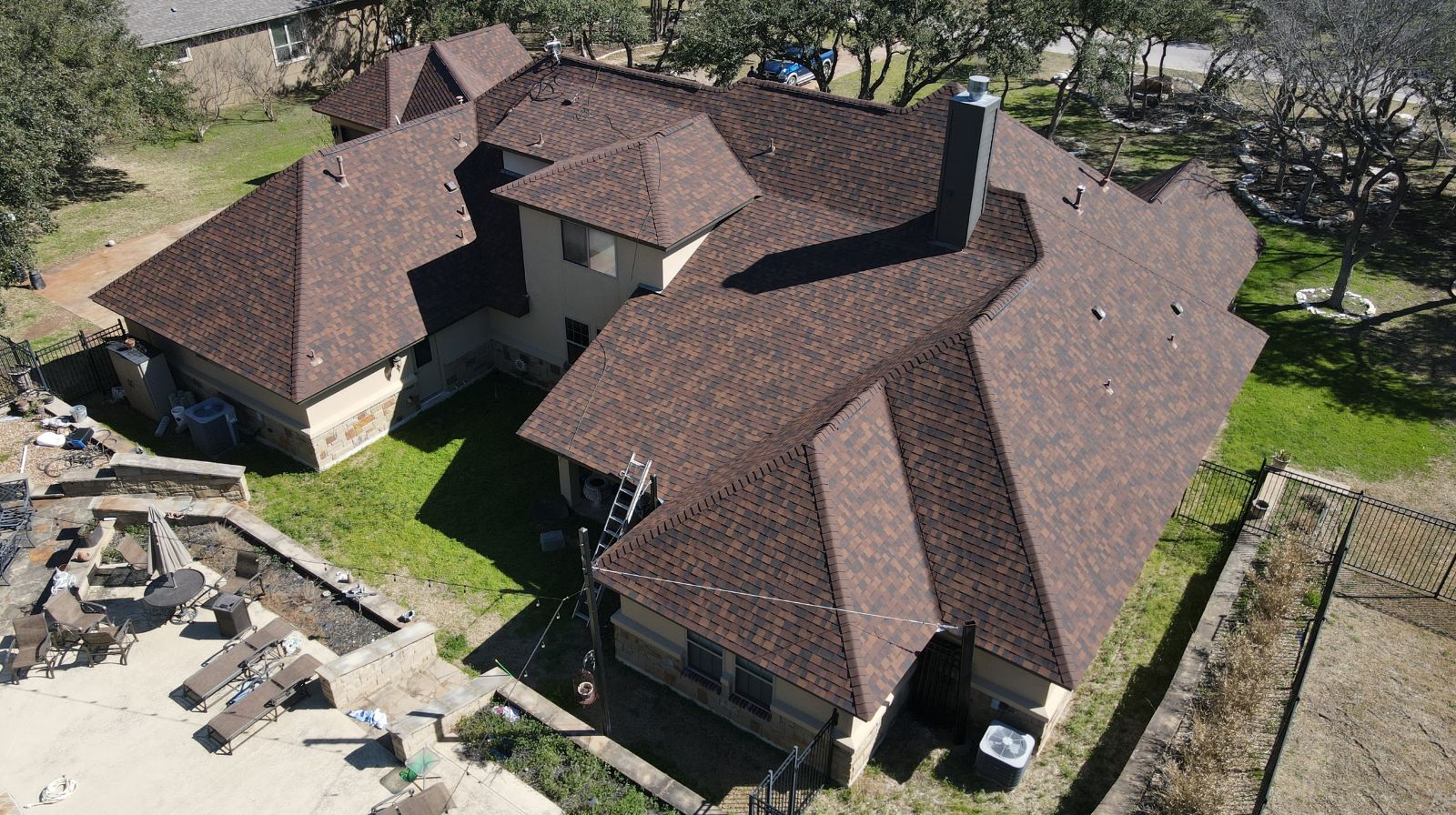
Many homeowners in Edmonton with flat or low-slope roofs eventually consider switching to shingles. The main reasons are better drainage, longer roof lifespan, and improved performance during heavy snowfall. This raises an important question: is a flat roof to shingle conversion possible for homes in Edmonton?
The answer is yes, but it is not a simple roofing replacement. Converting a flat roof to a shingle roof is actually a structural renovation that changes the roof from a flat design to a pitched or sloped system. Because asphalt shingles require a minimum slope to work effectively, additional structural framing must be built before shingles can be installed.
Understanding the requirements, costs, and feasibility of this type of conversion is important before deciding whether it is the right solution for your home.
Why Homeowners Consider Flat Roof to Shingle Conversion
Flat roofs are common on garages, home additions, and certain architectural styles. However, they can present challenges in colder climates such as Edmonton.
A conversion to a sloped shingle roof can provide several advantages:
- Improved water drainage during rain and snowmelt
- Reduced risk of water pooling and leaks
- Better snow shedding during winter
- Longer roof lifespan compared to some flat roofing systems
- Improved curb appeal and property value
Because Edmonton experiences heavy snowfall and frequent freeze-thaw cycles, many homeowners see pitched roofing systems as a more durable long-term solution.
Minimum Slope Requirements for Shingles
One of the most important factors in any flat roof conversion is slope.
Asphalt shingles cannot be installed on a perfectly flat surface because they rely on gravity to shed water properly. If the roof is too flat, water can pool beneath the shingles and cause leaks or structural damage.
In Edmonton, building codes typically require a minimum roof pitch of 2:12 for asphalt shingle installations. This means the roof must rise at least two inches vertically for every twelve inches of horizontal distance.
Roofs with a slope lower than this increase the risk of:
- Water pooling
- Ice dam formation
- Roof deck rot
- Premature shingle failure
For this reason, a structural frame must usually be built to create the proper slope before installing shingles.
Building Permits Required in Edmonton
Because a flat roof to shingle conversion changes the structure of the roof, permits are typically required.
A building permit is generally necessary when a project alters the roof pitch or structural framing. This ensures the renovation meets safety standards and complies with local building regulations.
In some cases, if the new roof structure significantly increases the height of the home, a development permit may also be required.
Before starting a conversion project, homeowners should confirm permit requirements with the local authorities or work with a licensed contractor who manages the permitting process.
Structural Support Considerations
Another critical factor is whether the existing structure of the home can support the new roof system.
Flat roof systems usually rely on membranes or lightweight materials, while pitched roofs often require:
- New trusses or rafters
- Additional framing
- Stronger support structures
Shingle roofing can also be heavier than some flat roof membranes. Because of this, a structural engineer may need to evaluate the building’s foundation and walls to determine if they can support the new roof design.
This structural assessment helps ensure the home remains safe and stable after the conversion.
Cost and Feasibility of Roof Conversion in Edmonton
A flat roof to shingle conversion is significantly more complex than a typical roof replacement.
Because the project involves structural changes, new framing, and additional labor, it requires a larger investment.
The typical cost range for a full structural roof conversion in Edmonton depending on factors such as:
- Size of the home
- Complexity of the roof structure
- Materials used
- Labor requirements
- Permit and engineering costs
Although the conversion cost is higher, many homeowners consider it worthwhile for the long-term benefits.
Long-Term Value of a Pitched Shingle Roof
While the initial cost is greater, a sloped shingle roof can offer several long-term advantages.
Shingle roofs in Edmonton typically last 20 to 50 years, depending on the type and quality of materials used.
They also perform better during winter by naturally shedding snow and ice. This reduces the risk of structural strain caused by heavy snow accumulation.
In addition, pitched roofs often improve the appearance of a home and may increase resale value, making the investment more appealing for long-term homeowners.
Alternatives to Full Flat Roof Conversion
For homeowners who find a structural conversion too expensive, there are several roofing options designed specifically for low-slope or flat roofs that perform well in Edmonton’s climate.
SBS Rubberized Shingles
SBS shingles are modified asphalt shingles designed to be more flexible and durable than standard asphalt products. They offer better resistance to hail impact and perform well in colder climates.
Metal Roofing
Metal roofing systems can often be installed on lower slopes and are highly durable. They can last 40 to 70 years and are well known for shedding snow efficiently during winter.
TPO or PVC Membranes
TPO and PVC roofing systems are advanced flat-roof materials designed to provide strong waterproofing and energy efficiency. These membranes are commonly used on both residential and commercial buildings and perform well in extreme temperature conditions.
These alternatives allow homeowners to improve roof durability without undertaking a full structural conversion.
Final Thoughts
A flat roof to shingle conversion in Edmonton is possible, but it involves more than simply replacing roofing materials. Because asphalt shingles require a minimum slope, the project typically requires structural modifications, permits, and professional engineering assessments.
Although the cost can be higher than a traditional roof replacement, many homeowners choose this option to gain better drainage, improved snow management, and a longer-lasting roofing system.
Before moving forward, it is important to consult experienced roofing professionals who understand Edmonton’s building codes and climate conditions. A detailed inspection and structural evaluation will help determine whether a full conversion or an alternative low-slope roofing system is the best choice for your home.