
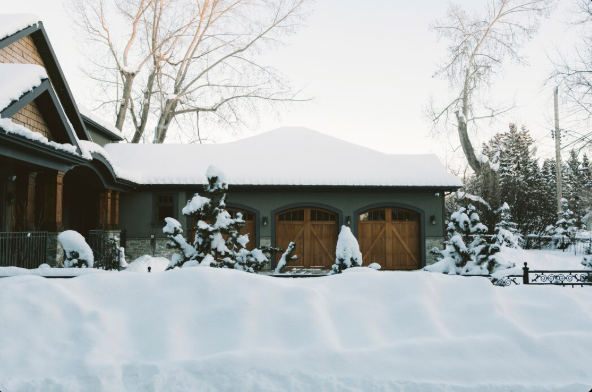
Edmonton home owners know that winter isn’t just cold, it’s unpredictable. Temperatures can swing above and below freezing multiple times within a single week, especially during late fall, winter, and early spring. While these fluctuations may seem like a normal part of Alberta’s climate, they can take a serious toll on your roofing system.
This repeated freezing and thawing process is one of the leading causes of roof deterioration in the region. Moisture seeps into tiny cracks, freezes as temperatures drop, expands, and then melts again when the weather warms. Over time, this cycle weakens roofing materials, creates leaks, and shortens the lifespan of your roof.
Understanding freeze-thaw roof damage Edmonton homeowners commonly face is the first step toward protecting your property. In this guide, we’ll explain how freeze-thaw cycles affect roofs, the warning signs to watch for, and the best ways to prevent costly damage.
What Is a Freeze-Thaw Cycle?
A freeze-thaw cycle occurs whenever outdoor temperatures repeatedly move above and below 0°C.
Here’s what happens:
- Snow or rain melts and water enters small cracks or gaps in roofing materials.
- Temperatures drop below freezing.
- The trapped water freezes and expands by approximately 9%.
- The expanding ice places pressure on surrounding materials.
- As temperatures rise again, the ice melts, leaving larger cracks behind.
- The process repeats over and over throughout the season.
Even tiny imperfections can gradually grow into significant roofing problems after dozens of freeze-thaw cycles.
Why Edmonton Roofs Are Especially Vulnerable
Edmonton’s climate creates ideal conditions for freeze-thaw damage.
Several factors contribute:
- Long winters
- Heavy snowfall
- Sudden warm spells
- Frequent temperature fluctuations
- Ice accumulation
- Strong winter winds
Unlike regions where temperatures remain consistently below freezing, Edmonton often experiences repeated melting and refreezing events that continuously stress roofing materials.
This constant expansion and contraction accelerates roof aging.
Common Types of Freeze-Thaw Roof Damage in Edmonton
Cracked Roofing Shingles
As water freezes beneath or inside shingles, it expands.
Eventually, shingles may:
- Crack
- Split
- Curl
- Lift
- Lose protective granules
Once damaged, shingles become less effective at preventing water infiltration.
For asphalt roofing systems, timely inspections can identify early signs of deterioration before extensive repairs are required.
Ice Dams
Ice dams are among the most common winter roofing problems in Alberta.
They develop when:
- Snow melts on warmer sections of the roof.
- Water flows toward colder roof edges.
- The water freezes again.
- Ice gradually builds into a barrier.
As additional snow melts, water backs up behind the ice dam and can seep beneath shingles.
This often results in:
- Interior ceiling stains
- Wet insulation
- Damaged drywall
- Mold growth
Proper attic insulation and ventilation help reduce the likelihood of ice dam formation.
Damaged Flashing
Roof flashing protects vulnerable areas around:
- Chimneys
- Skylights
- Roof valleys
- Plumbing vents
Freeze-thaw movement can loosen flashing or break the seals designed to keep water out.
Once flashing becomes compromised, leaks can develop even if the shingles themselves remain in good condition.
Roof Deck Deterioration
Small leaks caused by freeze-thaw damage often allow moisture to reach the wooden roof deck beneath.
Over time, this can lead to:
- Wood rot
- Delamination
- Structural weakening
- Mold development
Because the damage occurs beneath the roofing surface, it may remain unnoticed until major repairs are needed.
Gutter Damage
Ice accumulation doesn’t only affect shingles.
Frozen gutters filled with heavy ice can:
- Pull away from the fascia
- Bend brackets
- Crack seams
- Prevent proper drainage
When water can’t drain effectively, additional moisture remains on the roof, increasing the risk of freeze-thaw damage.
Warning Signs Your Roof Has Freeze-Thaw Damage
Many roofing problems begin subtly before becoming obvious.
Watch for these common warning signs:
Missing or Damaged Shingles
Look for:
- Cracked shingles
- Loose tabs
- Missing shingles
- Uneven roof surfaces
Even small areas of damage should be addressed promptly.
Water Stains Indoors
Brown stains on ceilings or walls often indicate that moisture has entered through the roof.
Leaks caused by freeze-thaw damage may appear weeks or even months after the original problem develops.
Sagging Roof Areas
If sections of your roof appear uneven or sagging, trapped moisture may have weakened the underlying decking.
Professional inspection is recommended immediately.
Granules in Gutters
As shingles deteriorate, protective mineral granules wash into gutters.
Excessive granule loss often signals aging or weather-related damage.
Ice Buildup Along Roof Edges
Repeated ice accumulation during winter usually indicates drainage or insulation issues that should be corrected before additional damage occurs.
How Freeze-Thaw Damage Shortens Roof Lifespan
Every freeze-thaw cycle places additional stress on roofing materials.
Over several years, repeated expansion and contraction may lead to:
- More frequent leaks
- Faster shingle deterioration
- Reduced weather resistance
- Higher maintenance costs
- Premature roof replacement
Addressing small issues early helps preserve the overall integrity of your roofing system.
How to Prevent Freeze-Thaw Roof Damage in Edmonton
Fortunately, many freeze-thaw problems are preventable with proactive maintenance and professional inspections.
Schedule Annual Roof Inspections
Regular inspections help identify:
- Small cracks
- Loose flashing
- Damaged shingles
- Blocked drainage
- Early moisture intrusion
Scheduling Annual Roof Maintenance Edmonton allows roofing professionals to correct minor issues before winter weather makes them worse.
Keep Gutters Clean
Clogged gutters prevent melting snow from draining properly.
Cleaning gutters before winter reduces standing water and minimizes ice buildup.
Improve Attic Ventilation and Insulation
A properly insulated attic maintains a more consistent roof temperature.
Balanced ventilation also helps reduce snow melting that contributes to ice dam formation.
Together, insulation and ventilation significantly reduce freeze-thaw stress.
Repair Minor Damage Immediately
Small roofing problems rarely stay small.
Loose shingles, damaged flashing, or minor leaks should be repaired before additional moisture enters the roofing system.
Prompt Residential Roof Repair Edmonton services can often prevent much larger and more expensive repairs later.
Remove Heavy Snow Safely
Excessive snow increases roof loads and contributes to repeated melting and refreezing.
If snow accumulation becomes significant, professional snow removal may help reduce stress on the roof without damaging roofing materials.
How Commercial Buildings Are Affected
Freeze-thaw damage isn’t limited to homes.
Commercial buildings with flat or low-slope roofs often experience:
- Ponding water
- Membrane cracking
- Flashing failures
- Drainage issues
- Ice accumulation
Regular inspections and timely Commercial Roof Repair Edmonton help businesses minimize weather-related disruptions and extend roof lifespan.
Is Roof Replacement Ever Necessary?
Not every roof affected by freeze-thaw cycles requires replacement.
However, replacement may become the most practical solution if your roof has:
- Widespread shingle failure
- Extensive wood rot
- Multiple recurring leaks
- Significant structural deterioration
- Reached the end of its service life
A professional inspection can determine whether repairs or replacement offer the better long-term value.
If replacement is recommended, homeowners should choose durable Residential Roofing Shingles Edmonton designed to withstand Alberta’s challenging climate.
Why Professional Roofing Matters
Freeze-thaw damage often begins in places homeowners can’t easily see.
Experienced roofing professionals know how to inspect:
- Roof decking
- Flashing systems
- Ventilation
- Ice dam damage
- Moisture intrusion
- Shingle performance
Working with the Best Roofers in Edmonton helps ensure roofing problems are accurately diagnosed and repaired before they escalate into larger structural concerns.
Protecting Your Roof Year After Year
Alberta’s weather cannot be controlled, but its effects on your roof can be managed.
Preventative maintenance, regular inspections, and prompt repairs significantly reduce the long-term impact of freeze-thaw cycles.
Homeowners who invest in ongoing roof care often experience:
- Longer roof lifespan
- Lower repair costs
- Improved energy efficiency
- Better protection against leaks
- Greater peace of mind during winter
Simple preventative measures today can help avoid major roofing expenses in the future.
Final Thoughts
The freeze-thaw roof damage Edmonton homeowners experience each year is one of the biggest challenges facing residential and commercial roofing systems. Repeated cycles of freezing and thawing gradually weaken shingles, flashing, gutters, and roof decking, often leading to leaks and costly structural damage if left unaddressed.
Fortunately, many of these issues can be prevented through routine inspections, proper attic ventilation, effective drainage, and timely repairs. By recognizing the warning signs early and taking a proactive approach to roof maintenance, property owners can significantly extend the life of their roofing system while reducing the risk of unexpected winter damage.
Whether your roof is only a few years old or nearing the end of its lifespan, investing in professional maintenance and repairs is one of the best ways to keep it performing reliably through Edmonton’s demanding climate.