
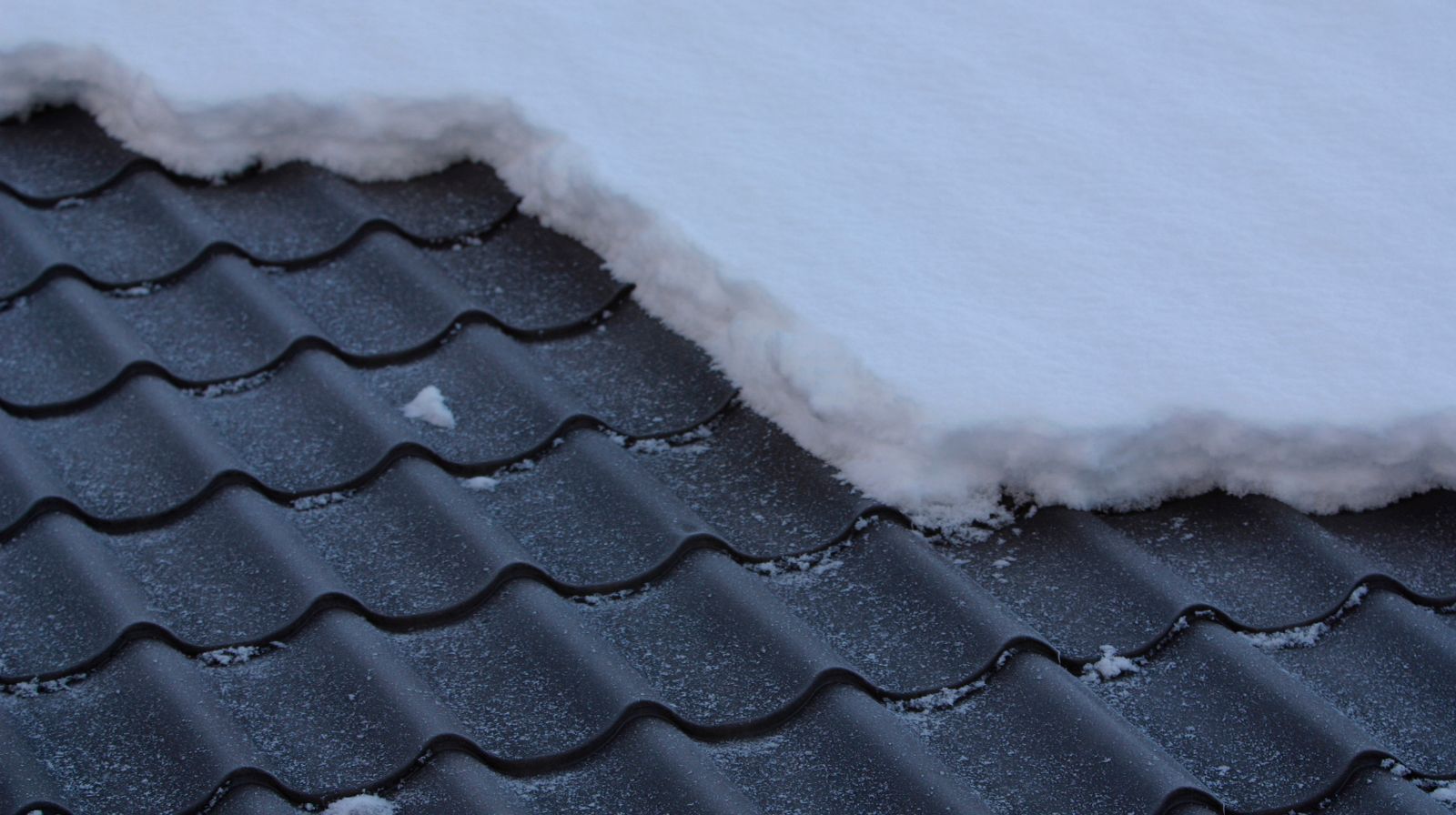
In Edmonton, your roof is your first line of defense against one of the most extreme climate patterns in Canada. From brutal winters and sudden temperature swings to intense summer sun and hailstorms, local weather puts roofing systems under constant stress. Over time, this relentless cycle of expansion, contraction, freezing, and thawing can prematurely age even the most durable roofing materials.
Understanding how weather in Edmonton affects your roof can help you take preventive steps, avoid costly repairs, and extend your roof’s lifespan.
Edmonton’s Extreme Climate: A Constant Test for Your Roof
Edmonton experiences dramatic seasonal shifts—long, cold winters, sudden spring thaws, hot summers, and unpredictable storms. These conditions expose roofing materials to repeated physical stress, making routine maintenance and material selection especially important for homeowners and commercial property owners.
Let’s break down the most common weather-related roofing challenges in Edmonton.
1. The Winter “Wrecker”: Freeze-Thaw Cycles & Ice Dams
Edmonton’s winters are notorious for freeze-thaw cycles, where temperatures hover around the 0°C mark and fluctuate frequently.
Ice Dams
Ice dams form when heat escapes from your attic and melts snow on the roof. As the melted water flows down to the colder eaves, it refreezes, creating a dam of ice. This blockage traps additional meltwater, forcing it to back up under shingles and seep into your home.
Common consequences include:
- Interior ceiling and wall leaks
- Damaged insulation
- Rotting roof decking and fascia
Snow Load Stress
Heavy snowfall is another major concern. Wet snow can weigh up to 20 pounds per cubic foot, placing immense stress on roof structures—especially older roofs or those already weakened by age or damage.
2. Thermal Shock: Rapid Expansion & Contraction
Edmonton can experience sudden weather shifts such as Chinooks or early spring thaws, where temperatures jump 20 degrees or more within a few hours.
This rapid change causes a phenomenon known as thermal shock.
Cracking and Warping
When roofing materials expand and contract too quickly:
- Asphalt shingles can crack or lose granules
- Metal panels may warp or loosen
- Flashing around vents and chimneys can separate
Over time, these small failures create entry points for moisture, leading to leaks and long-term structural damage.
3. Summer Hazards: UV Rays & Hailstorms
While Edmonton is best known for cold weather, summer can be just as damaging to your roof.
UV Degradation
Extended exposure to strong UV rays dries out the oils in asphalt shingles. This process causes shingles to become brittle, curl at the edges, and lose their ability to repel water effectively.
Hail Damage
Edmonton regularly experiences hailstorms during summer months. High-velocity hail can:
- Dent metal roofing
- Crack or puncture shingles
- Knock off protective granules that shield asphalt from UV damage
Even minor hail damage can shorten your roof’s lifespan if left unaddressed.
4. “Attic Rain”: A Unique Edmonton Roofing Issue
One lesser-known but serious issue in Edmonton is attic rain.
During extreme cold snaps, moisture from inside the home rises into the attic and freezes as frost on the underside of the roof. When temperatures suddenly warm, that frost melts all at once—creating the appearance of a major roof leak even though the exterior roofing materials may be intact.
Attic rain can:
- Soak insulation
- Cause mold growth
- Damage ceilings and drywall
Proper ventilation is key to preventing this phenomenon.
Protective Maintenance Tips for Edmonton Roofs
Proactive maintenance is essential to help your roof withstand Edmonton’s harsh climate.
Insulation & Ventilation
Ensure your attic is properly insulated and ventilated to:
- Prevent heat buildup in winter
- Reduce moisture accumulation
- Minimize ice dam formation and attic rain
Seasonal Inspections
Schedule professional roof inspections at least twice a year—spring and fall. These inspections help identify:
- Small cracks or loose shingles
- Flashing damage
- Early signs of leaks before major damage occurs
Gutter Cleaning
Keep eavestroughs and downspouts clear of debris. Blocked gutters cause water to back up, accelerating wood rot, ice damming, and foundation issues.
Conclusion
Edmonton’s weather is unforgiving, and your roof takes the brunt of it year-round. From freeze-thaw cycles and heavy snow loads to thermal shock, UV exposure, hail, and attic rain, each season introduces unique risks that can significantly shorten your roof’s lifespan if ignored.
By understanding these challenges and investing in proper maintenance, insulation, ventilation, and timely inspections, you can protect your property and avoid expensive repairs or premature roof replacement.
Would you like to know which roofing materials—such as metal roofing or impact-resistant shingles—perform best specifically in the Edmonton market? Making the right choice today can save you years of weather-related headaches tomorrow.